16" × 24" · $99Framed wall art
20" × 30" · $129Framed wall art
24" × 36" · $149Framed wall art
Free ShippingOn every framed print
Movie Gallery
Classic movies, reimagined.
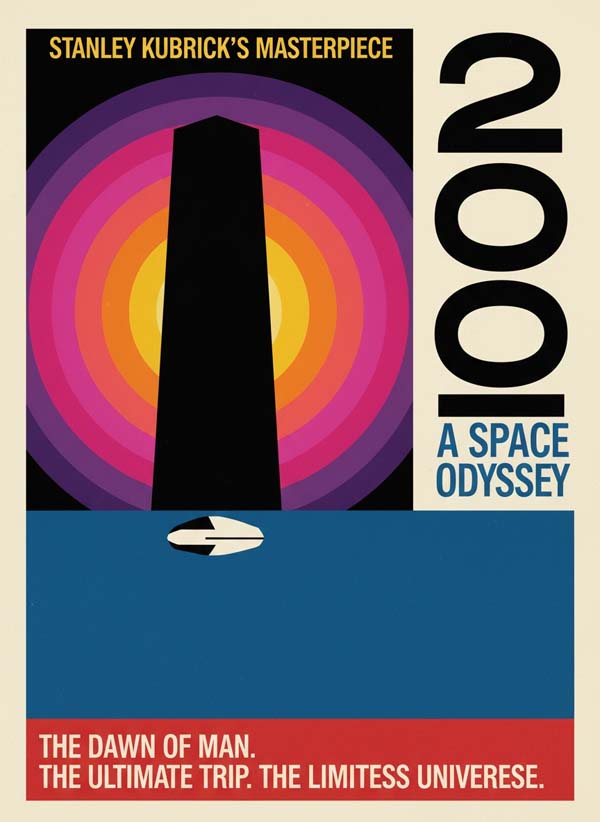
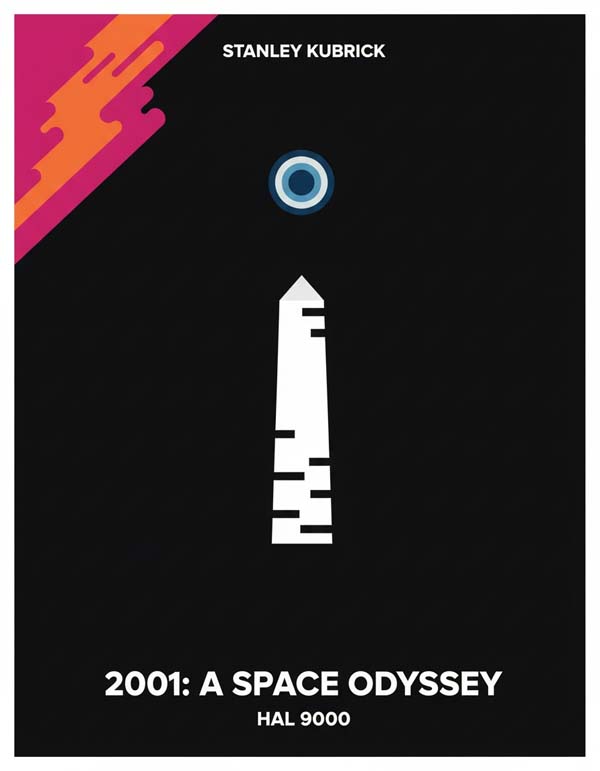
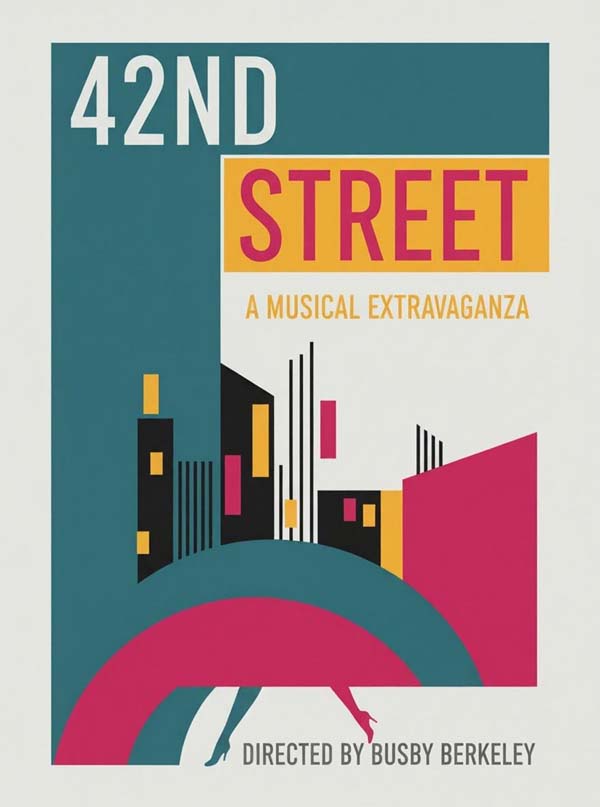
The Movie Gallery is now open. Browse minimalist interpretations of familiar films, then choose your favorite as finished framed wall art. Each print arrives ready to hang, with no separate framing or setup required. Click any artwork for a larger framed view and hover over About the Film for cast, genre, director and story details.
Music Galleries
Classic music. Reimagined for the wall.
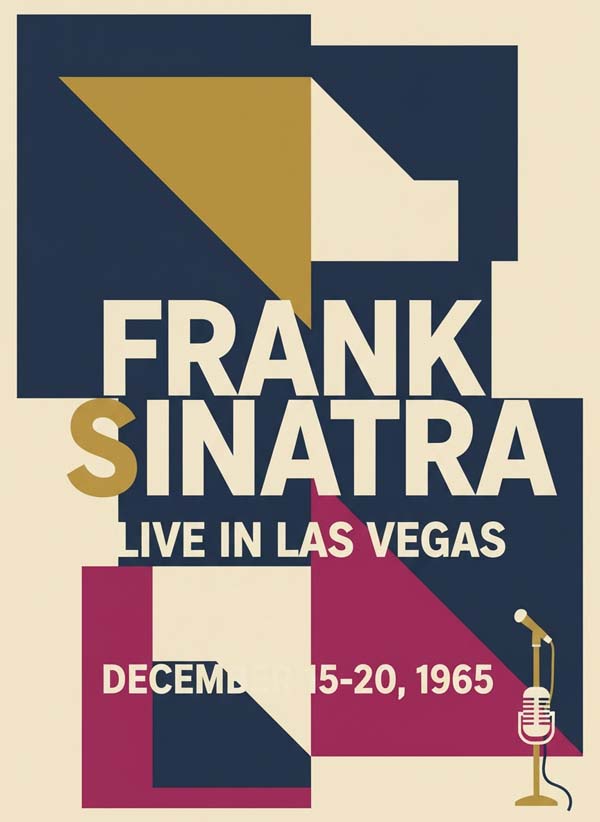
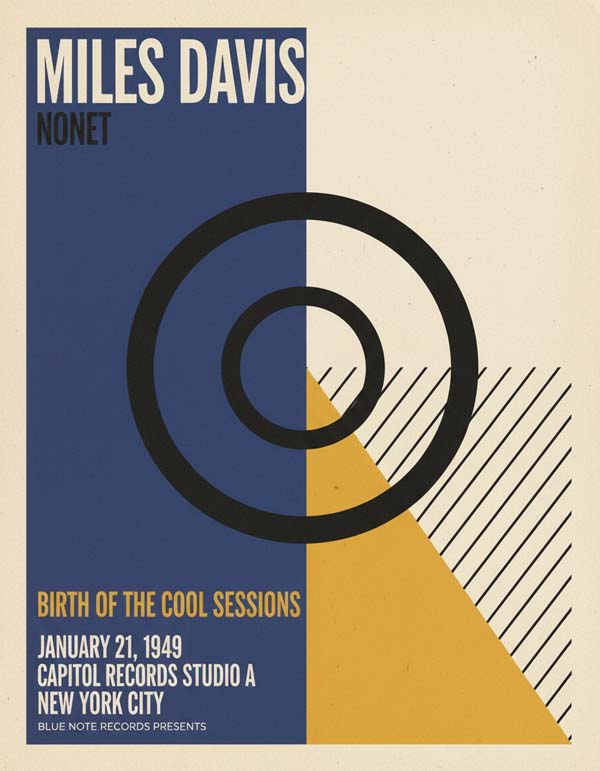
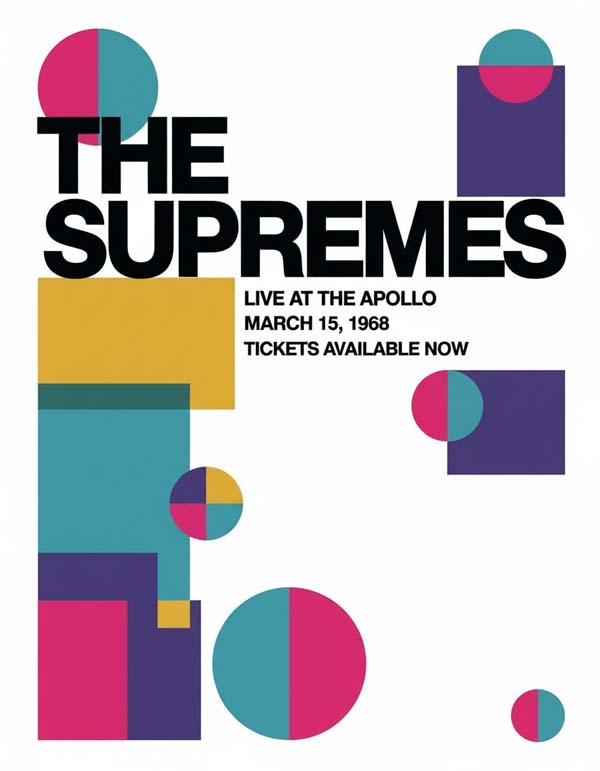
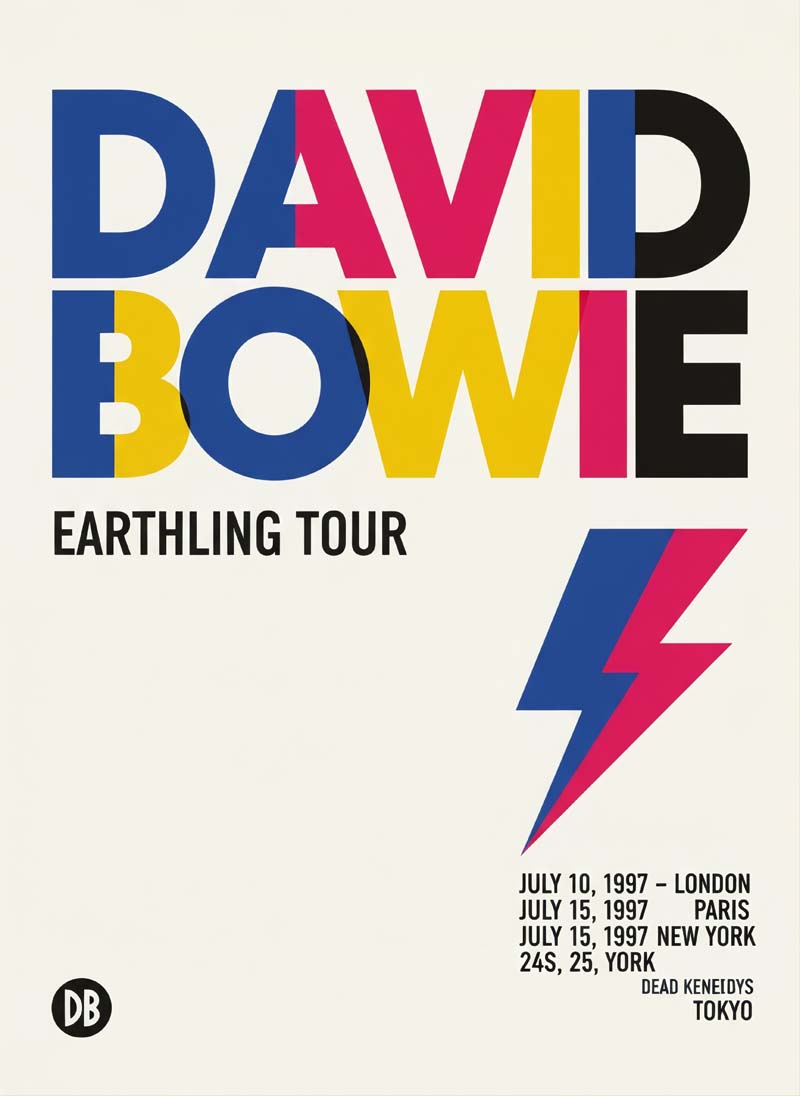
Explore singers, vocal groups, jazz greats, and rock musicians in the same bold RetroArtWorld style. Many designs are built around memorable performances and include actual concert dates on the posters, adding a real piece of music history to the artwork.
From Sinatra and Streisand to Miles Davis, the Supremes, Fleetwood Mac, Bowie, and the Rolling Stones, the music galleries combine recognizable names with modern minimalist design, vintage-inspired color, and strong typography.
What makes it different
Not reproductions. Reimaginings.
RetroArtWorld reinterprets movies, performers, music, and cultural memories through simplified form, confident typography, and vintage-inspired color. The goal is artwork that feels nostalgic without looking dated — with movie imagery, legendary performers, and music posters that can incorporate actual concert dates and historical performance details.
Each design is intended first as wall art — graphic enough to command a room and familiar enough to start a conversation.
Ready to hangEvery movie print is delivered as finished framed wall art, so it can go straight from the box to your wall.
Three framed sizesChoose 16" × 24", 20" × 30", or 24" × 36", all designed as substantial display pieces.
Simple all-in pricing$99, $129, or $149 — including the frame, ready-to-hang presentation, and free shipping.